Understanding Cladding Materials
- Alucobond
Website: https://www.alucobond.com - James Hardie
Website: https://www.jameshardie.com - Trespa International
Website: https://www.trespa.com - Kingspan Group
Website: https://www.kingspan.com - Sto AG
Website: https://www.sto.com - Rockwool International
Website: https://www.rockwool.com - DriDesign
Website: https://dridesign.com - Nichiha Corporation
Website: https://nichicorp.com - Permasteelisa Group
Website: https://www.permasteelisa.com - Sotech Ltd.
Website: https://sotech.co.uk
When selecting cladding materials for walls and roofs, it is essential to consider the diverse options available, each with its distinct characteristics. Among the most common materials are wood, metal, vinyl, and stone. Each of these cladding options presents unique advantages and disadvantages that can significantly impact building performance, maintenance, and aesthetics.

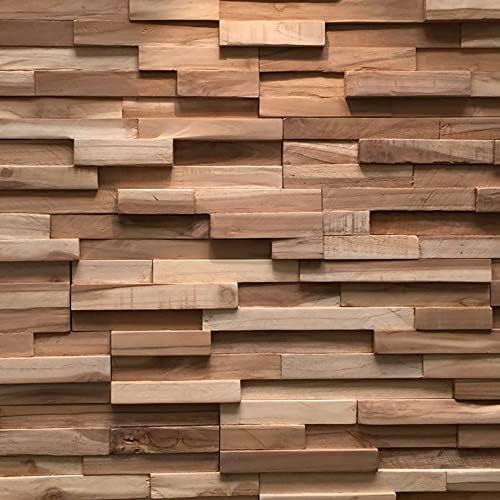

Wood cladding is often favored for its natural appearance and insulation properties. It can enhance the aesthetic appeal of a building, providing a warm and inviting look. However, wood requires regular maintenance, including painting or staining, to preserve its appearance and prevent decay, especially in humid climates. Its susceptibility to pests and moisture damage may also deter some builders.
Metal cladding, on the other hand, is known for its durability and longevity. Materials such as aluminum and steel are resistant to extreme weather conditions, making them a desirable option in harsher climates. Additionally, metal has minimal maintenance requirements and can be recycled, which adds to its environmental credentials. However, it may not provide the same level of thermal insulation as some other materials, potentially leading to higher energy costs.
Vinyl cladding is a popular choice for its affordability and low maintenance needs. It is available in various colors and styles, offering versatility for modern architecture. While vinyl is resistant to fading and damage caused by moisture, it may not be as durable as metal or wood, and extreme temperatures can cause it to warp or crack.
Finally, stone cladding enhances a building’s aesthetic with its timeless appeal and robustness. It boasts excellent insulation properties and is generally low-maintenance. However, the installation of stone can be costly, and its weight may require additional structural support. Choosing the right cladding material depends on your specific requirements, including climate, budget, and personal taste.
Evaluating Building Environment and Climate
When selecting appropriate wall and roof cladding for a building, it is imperative to thoroughly evaluate the environmental conditions and climate of the location. Various factors such as weather patterns, humidity levels, and temperature fluctuations play a critical role in determining the suitability of cladding materials. Professionals should assess both the natural elements and the potential human influences that could affect the building’s exterior over time.


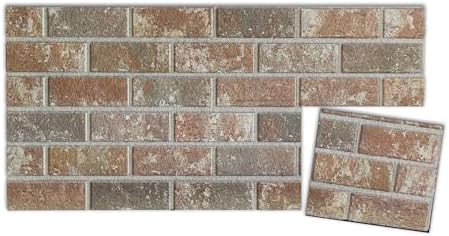
For instance, in regions characterized by heavy rainfall or snow, cladding materials must be selected for their waterproofing and insulation properties. Similarly, in areas prone to high winds, such as coastal regions, cladding must possess adequate durability to withstand strong gusts and potential debris impact. The choice of material can either enhance the building’s resilience or expose it to vulnerabilities, thus impacting overall longevity and maintenance needs.
Humidity is another significant factor in cladding selection. In humid environments, materials that resist mold growth and rotting, such as treated wood or metal cladding, may be preferred. Conversely, in drier climates, there may be a greater emphasis on materials that can reflect heat, thereby improving energy efficiency. It is equally important to consider local regulations that may dictate specific cladding types or installation methodologies to ensure compliance and enhance safety.
When evaluating the building’s environment, professionals should also account for its exposure to sunlight and shading elements, as these factors can affect thermal performance and aesthetic considerations. The anticipated lifespan of the cladding is also influenced by climate-specific stresses, making it essential to choose materials that offer durability and low maintenance over time.
Aesthetic Considerations and Architectural Style
The aesthetic aspect of wall and roof cladding is critical in determining the overall visual impact of a building. Different cladding materials can significantly complement diverse architectural styles, enhancing the structural integrity while also improving the façade’s appeal. For instance, modern designs often utilize sleek, smooth finishes with materials such as metal or glass that exemplify simplicity and elegance. In contrast, traditional designs may benefit from the warmth of wood, stone, or brick, which can provide a timeless character that resonates with classic aesthetics.
Colors play a pivotal role in cladding selection. Selecting the right color palette can either blend a structure seamlessly into its surroundings or enable it to stand out as a statement piece. Neutral and earthy tones typically lend warmth and familiarity, aligning well with traditional builds, while bold or unconventional colors can distinguish modern architecture. When contemplating color choices, it is paramount to consider the environmental context and existing structures, ensuring that the overall vision remains coherent within the neighborhood.
Textures and patterns further contribute to the dynamic visual language of a building’s exterior. Smooth surfaces are often employed in modern architecture for a clean look, while textured materials, such as rough-hewn stone or hand-crafted wood, invoke a sense of rustic charm, making them suitable for traditional designs. Patterns, including panel orientation or intricate detailing, can also create depth and interest, which can lead to significant enhancement of curb appeal.
Ultimately, it is essential that the cladding chosen aligns harmoniously with the overall vision of the project. The selected materials should not only reflect personal style but also resonate with the local architectural heritage. Thoughtful consideration of aesthetics in cladding selection contributes significantly to the building’s character and integration within its setting.
Installation and Maintenance Factors
When selecting wall and roof cladding for a building, the installation and maintenance aspects are critical to consider for optimal performance and longevity. Engaging experienced professionals for the cladding installation is essential. Skilled installers possess the knowledge required to tackle the specific challenges that may arise during the process, ensuring that the cladding is correctly put in place to withstand the elements effectively. Experience matters, as improper installation can lead to significant issues later, including leaks, poor insulation, or aesthetic concerns.
Potential installation challenges vary by material type and design complexity. For instance, highly textured or intricate profiles may require specialized techniques to install. Additionally, factors such as structural movement, thermal expansion, and local weather conditions should be anticipated and addressed during installation. Proper planning and a streamlined installation process are vital to overcoming these challenges and achieving a durable finish.
Once installed, maintaining the cladding becomes another important consideration. Different types of cladding have varying maintenance requirements that influence long-term performance. For example, metal cladding may need occasional cleaning to prevent corrosion, while timber cladding requires regular treatments to protect against rot and pests. On the other hand, synthetic materials often demand minimal upkeep, appealing to those seeking convenience. Understanding these requirements helps building owners allocate time and resources effectively to ensure the cladding retains its intended aesthetic and functional properties over the years.
Overall, the integration of proper installation and ongoing maintenance strategies will significantly enhance the longevity of wall and roof cladding. By recognizing the importance of professional involvement and the specific needs of various materials, stakeholders can make informed decisions that will contribute to the building’s long-term success and performance.
Contact information — Please use contact form on http://www.abshot.com/contact/